
Home & Garden Sundries Supplier
MIF+Garden, Your Bridge To Happy Life- contact us
james.li@mif-garden.com
sales@mif-garden.com
sales001@mif-garden.com - call us anytime
86-18616678980
86-18165659162
86-18923082607
Pubdate: 2026-04-14
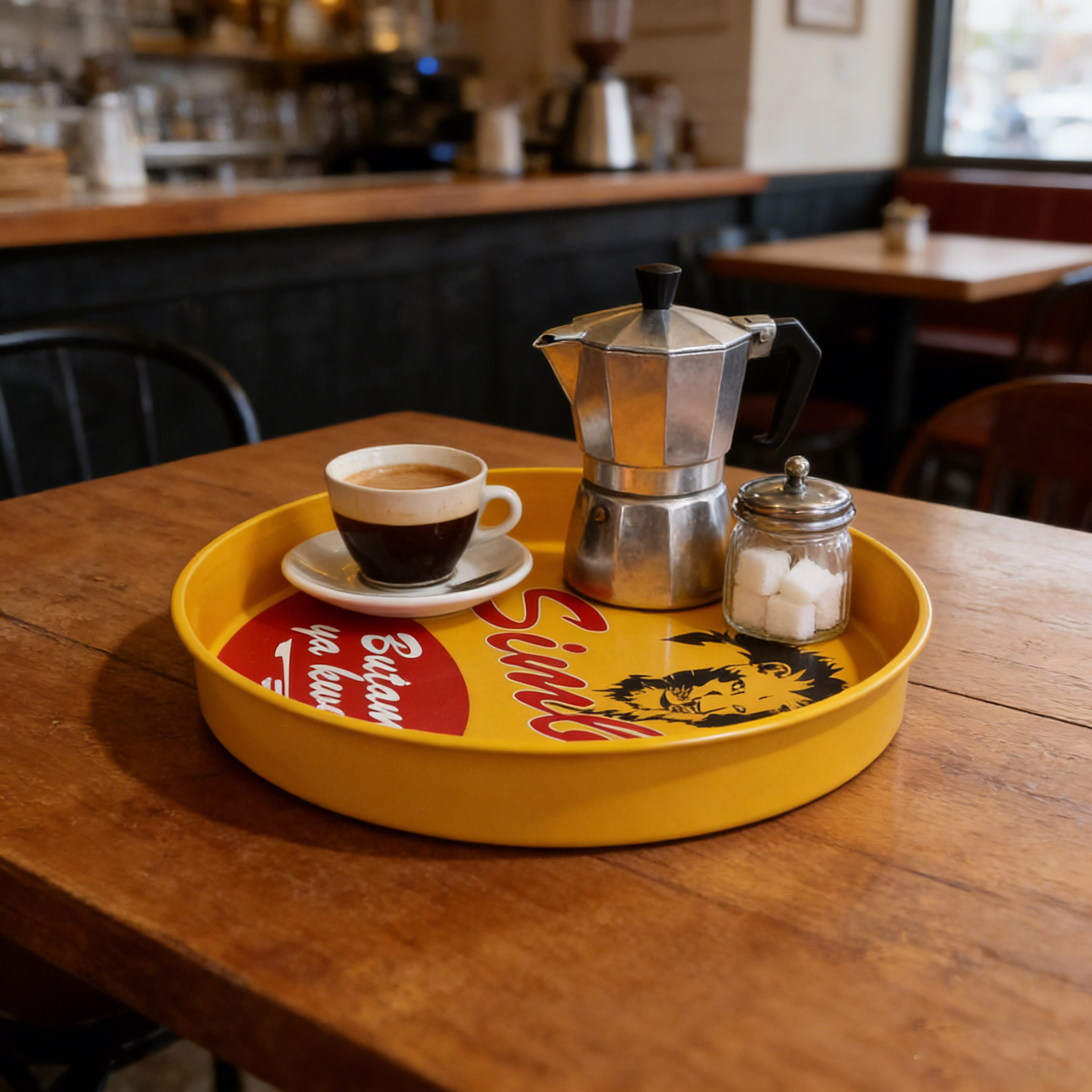
In today’s competitive home & kitchen market, custom metal serving trays have evolved from simple functional items into powerful branding tools and high-margin retail products. For importers, wholesalers, private label brands, and e-commerce sellers, choosing the right supplier and product positioning can directly impact sales performance and long-term brand value.
This guide explores everything B2B buyers need to know—from materials and customization to market trends and sourcing strategies—helping you make informed purchasing decisions and maximize ROI.
Across the U.S. and Europe, consumers are shifting toward products that combine functionality, durability, and aesthetic appeal. Metal trays, especially those made from tinplate or galvanized steel, are seeing increased demand due to:
Growing interest in vintage, farmhouse, and industrial home décor styles
Preference for durable and reusable materials over plastic
Rising demand for branded lifestyle products in cafés, bars, and retail chains
Expansion of home entertaining culture (coffee, cocktails, hosting)
For B2B buyers, this translates into a product category with strong repeat purchase potential and cross-market versatility.
When sourcing metal trays for wholesale or private label, the following specifications directly impact product performance and market acceptance:
High-quality trays are typically made from:
Tinplate
Galvanized steel
Powder-coated iron
These materials offer excellent strength, corrosion resistance, and long service life, making them suitable for both commercial and home use.
Custom trays stand out through high-quality printing:
CMYK full-color printing for branding
Matte or glossy coating for different market positioning
Scratch-resistant finishes for durability
For brand owners, print quality directly affects perceived value.
Rolled edges for safety and rigidity
Optional anti-slip base for service environments
Stackable structure for efficient logistics
These features are critical for hospitality buyers and large distributors.
One of the biggest advantages of metal trays is their ability to function as mobile advertising assets.
Restaurants, beverage brands, and cafés often use custom trays featuring logos, slogans, or campaign visuals. Unlike disposable promotional items, metal trays offer long-term brand exposure with every use.
For private label sellers and retailers, customized trays:
Strengthen brand identity
Increase product differentiation
Support premium pricing strategies
Metal trays are not limited to a single use case. Their versatility makes them attractive across various industries:
Used in cafés, bars, restaurants, and hotels for serving drinks and food efficiently while reinforcing brand presence.
Popular in home goods stores, especially within:
Farmhouse décor collections
Vintage-style kitchenware
Seasonal and gift assortments
Highly suitable for platforms like Amazon and Shopify due to:
Strong visual appeal
Lightweight shipping
Wide consumer audience
Frequently used in marketing campaigns as custom branded merchandise, especially in the beverage and lifestyle sectors.
From a procurement perspective, metal trays offer several advantages:
Higher durability: Resistant to cracking and deformation
Better print quality: Superior color vibrancy and detail
Eco-friendly: Recyclable materials align with EU sustainability policies
Premium perception: Supports mid-to-high-end market positioning
These benefits make metal trays a more strategic long-term investment for importers and distributors.
Selecting the right manufacturer is critical for ensuring product consistency and market success. B2B buyers should evaluate:
A reliable supplier should support:
Custom sizes, colors, and shapes
Logo and artwork development
Packaging design for retail or e-commerce
Ensure the factory has:
Standardized inspection processes
Stable production quality across batches
Experience with export compliance (EU/US standards)
For scaling businesses, it’s essential to work with a factory that can:
Handle bulk orders efficiently
Maintain consistent delivery timelines
For e-commerce sellers, packaging must meet:
Drop test standards
Protective requirements for long-distance shipping
To stay competitive, buyers should align sourcing strategies with current trends:
Sustainable materials: Increasing demand for eco-friendly metal products
Minimalist & retro aesthetics: Strong performance in Western markets
Private label expansion: More retailers building their own brands
Multi-functional products: Items that combine décor and utility
Metal trays fit perfectly into all these trends, making them a future-proof category.
For wholesalers and brand owners, investing in custom metal trays can deliver:
Higher margins through product differentiation
Stronger customer loyalty via branded goods
Expanded product lines across home, kitchen, and lifestyle categories
Increased repeat orders from commercial clients
Custom metal serving trays are more than just kitchen accessories—they are versatile, durable, and brand-driven products that meet the evolving demands of Western markets.
For importers, wholesalers, and e-commerce sellers, they offer a unique combination of functionality, visual appeal, and customization potential, making them an ideal addition to any product portfolio.
By partnering with an experienced manufacturer and focusing on quality, design, and branding, B2B buyers can successfully leverage this product category to drive long-term business growth.
Next:The Charm and Advantages of Elevated Galvanized Raised Garden Beds